Antarctica Holiday Information
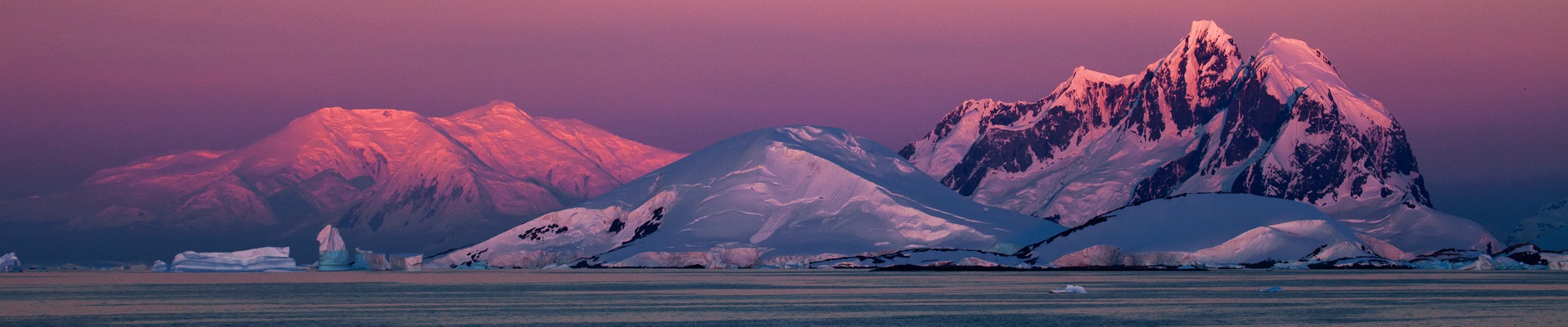
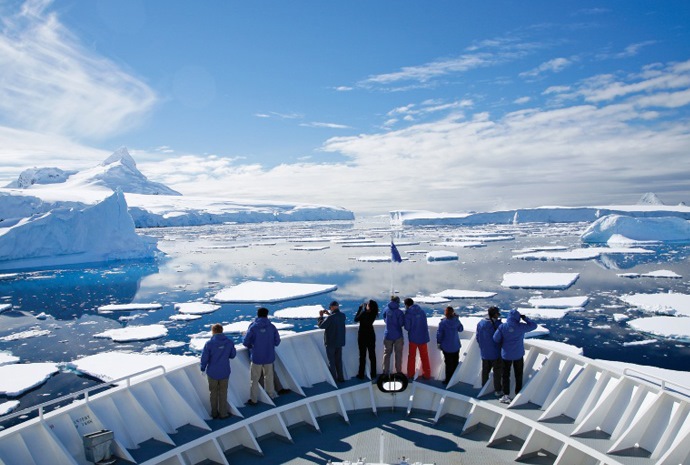
Antarctica is the last great wilderness on earth, a place where spectacular icebergs seem to reflect every hue of blue imaginable.
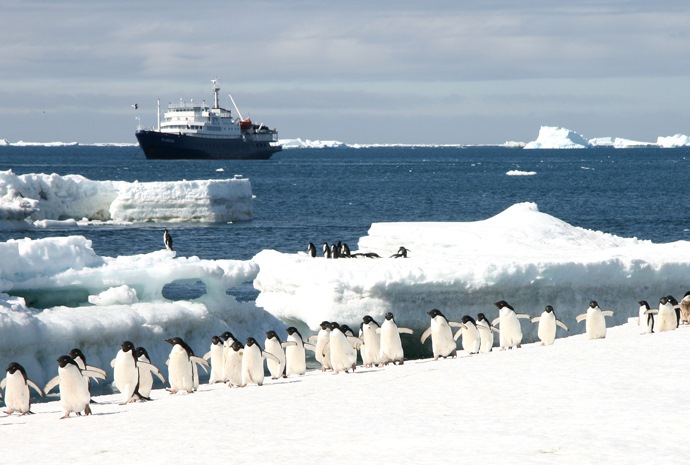
Come face to face with whales on a cruise to Antarctica, sometimes close enough to smell their fishy breath, and be awestruck by ancient glaciers covered with a carpet of penguins as far as the eye can see.
WILDFOOT Wildlife & Adventure Specialist
Lines are open from 9am -5.30pm
Monday - Friday

Simon Rowland
Managing Director
Discover Antarctica Up Close
The Antarctic Peninsula and the South Shetland Islands are less than two days’ sailing across the Drake Passage from mainland South America and Ushuaia, the southernmost town in Argentina. The Drake Passage is named after the 16th century British explorer, Sir Francis Drake. It is one of the most notorious stretches of water in the world, where the relatively warm waters of the Atlantic meet the colder waters of the Southern Ocean. Weather here is unpredictable and the sea can be calm or whipped up to gale force, even in the summer months. Crossing the passage can be a memorable adventure in its own right.
The Peninsula has relatively mild weather conditions with temperatures as high as 15 degrees Celsius and, in the summer, up to 24 hours daylight. This mild climate, combined with rich, cold seas, leads to a proliferation of wildlife in the spring and summer months with countless birds, pinnipeds and cetaceans taking advantage of the wealth of food resources from the sea.
View Trips All Antarctica Route OptionsLast Minute WILDFOOT Latest Deals
Falklands, South Georgia & Antarctica
Up To 30% Discount!*
Book October 2026 departure by 14th July and receive a huge 30% discount!
Or book February 2029 departure now and receive a 10% discount, a £1,150 Early Booking Discount, plus a further 5% discount if you pay in full at the time of booking!
Up to 8% discount available on other departures!
Triple berths were from £22,095 - now from only £15,467! While availability lasts!
*If booked by 15th July 2026
From Price £15,467
Antarctica Wildlife
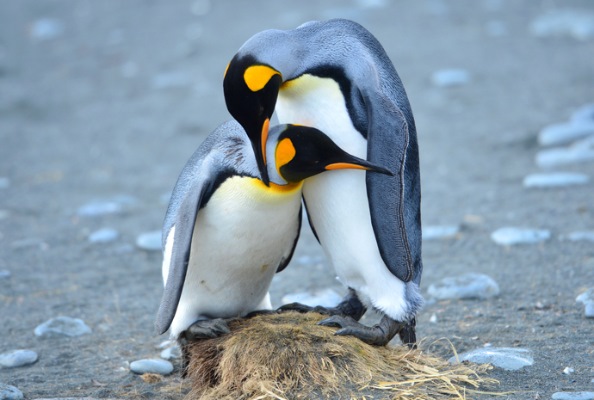
Antarctica offers fantastic possibilities for viewing wildlife. Whales and dolphins can be seen in all the region’s waters and, for those sailing out of the Beagle Channel, the first will be encountered during the Drake Passage crossing. There are good chances of seeing whales at any time, but later in the season, more can be found as they come south to feed. Penguins are Antarctica’s iconic birds and several varieties can be found on land, on the ice and often swimming miles from anywhere. Apart from penguins, the region is a birdwatcher’s paradise, with scores of rare and even unique species.
More information about Antarctica wildlife can be found on our wildlife pages and also on the British Antarctic Survey website
Learn more
Watch our Antarctica Cruise Video
PlayActivities, Adventure & Excursions
The more adventurous of you may want to enjoy the Antarctic in a more personal and 'up-close' manner. If you fall into this category, then we offer the following Antarctic excursions:
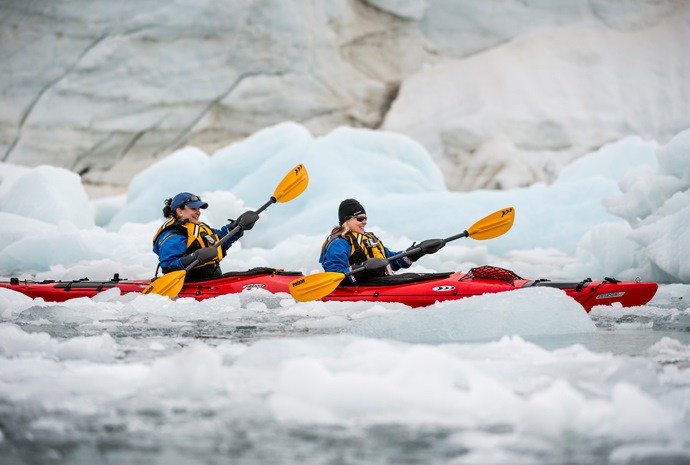
- Sea Kayaking in Antarctica
- Scuba Diving in Antarctica
- Camping in Antarctica
- Antarctic Shore Excursions
- Antarctic Photography Excursions
- Antarctic Group Excursions
Antarctica Expeditions
Our vast experience in the Antarctic cruise and expedition market enables us to provide you with the information you require before you start your adventure. Read our 'Essential Information' section which offers a complete guide to create the perfect Antarctic expedition. If you want to know about what you can expect during A 'Typical' Day On Board, please read our 'Life on Board' section.
Essential Info
Life on board
Luxury
What Our Customers
Say...
Superlatives abound – a truly amazing experience...awesome. Thanks to all for making it such a memorable experience.
We had the time of our lives on board ship...if anybody wants to go to Antarctica, we will certainly advise to go with you.
The best way to describe the entire experience. 1. Top rate service...we would not hesitate to recommend you to others and use you again.
Thank you and your team for arranging what was a fantastic holiday in Argentina...Iguazu falls was exceptional with our guide knowing an awful lot about the falls and the wildlife. Could go on forever, but had better stop.
I’m sure you get plenty of compliments, but I just wanted to follow up by telling you what a great time we had...If we are planning on one of the other regions you serve, we’ll definitely be in touch!
I wanted to drop you a note to say a big “THANK YOU” for all your organizing of my travel arrangements and the holiday itself. Everything flowed perfectly. The holiday was breath-taking and is hard to express in words...
It was even better than I expected, so I am grateful that you made the call (back). I will certainly recommend your services
Thanks again for helping me select the best trip and for all your help with the admin and my questions along the way, it all made for an even better experience.
Thank you for all your help. Great service, very efficient, flexible...We feel looked after when setting off into the unknown. I feel it is my duty to tell fellow travellers and birders/photographers how good you are!
Antarctic Explorers
- Cook, 1770-1775: Circumnavigated Antarctica and crossed the Antarctic Circle three times.
- Palmer and Powell, 1820: Mapped and explored the South Shetland Islands and the South Orkney Islands.
- Bellingshausen, 1819-1821: Second man to circumnavigate Antarctica.
- Weddell, 1820-1824: Reached a new record south, to later have the Weddell Sea named after him.
- Biscoe, 1830-1832: Explored the coast of the Antarctic Peninsula.
- D’Urville, 1837- 1840: The first to sail to the continent from Europe.
- Wilkes, 1838-1841: The first investigator to insist Antarctica was a continent.
- Ross, 1839-1843: Discovered an enormous cliff of ice, with walls up to 60 metres above the sea, later called the Ross Ice Shelf.
- De Gerlache, 1897: Ship became imprisoned in the ice, the first winter humans spent in Antarctica.
- Scott’s Discovery Expedition, 1901.
- Shackleton’s Nimrod Expedition, 1908-1909: Managed to reach a point within 180 kms of the pole.
- Amundsen, 1910: Reached the South Pole on December 14, 1911.
- Scott’s Terra Nova Expedition, 1910: Reached the South Pole on January 17, 1912, to find Amundsen had beaten them by 33 days.
- Shackelton’s Endurance Expedition, 1914: After their boat sank, Shackleton and his men lived on the floating pack-ice for 5 months, but not one soul was lost.
Antarctic Treaty
There are few places on Earth where there has never been war, where the environment is fully protected, and where scientific research has priority. The whole of the Antarctic continent is like this. A land which the Antarctic Treaty parties call a natural reserve, devoted to peace and science.
The Treaty covers the area south of 60°S latitude. Its objectives are simple yet unique in international relations.
They are:
- To demilitarise Antarctica, to establish it as a zone free of nuclear tests and the disposal of radioactive waste, and to ensure that it is used for peaceful purposes only;
- To promote international scientific cooperation in Antarctica;
- To set aside disputes over territorial sovereignty.
The treaty remains in force indefinitely. The success of the treaty has been the growth in membership. Forty six countries, comprising around 80% of the world’s population, have acceded to it. Consultative (voting) status is open to all countries who have demonstrated their commitment to the Antarctic by conducting significant research.
With the signing of the Protocol of Environmental Protection to the Antarctic Treaty it is hoped that Antarctica will remain a wonder for those who set foot there, a dream for those who have yet to venture there and a source of inspiration and hope for humans. The Antarctic Treaty came into force on 23 June 1961 after ratification by the twelve countries then active in Antarctic science.
More information on Antarctica and the Antarctic Treaty can be found online on the website of the British Antarctic Survey
Antarctica - Quick Facts
- Geographic Size: 14,000,000 sq. kilometres
- Contains nearly 70% of the world’s fresh water
- Has the highest average elevation of all continents, around 2,250 metres (mainly due to the thick layer of ice)
Further information on Antarctica can be found on Wikipedia and a number of other online sources, including the British Antarctic Survey Website
View Trips
Not sure? Other customers liked these Alternative itineraries
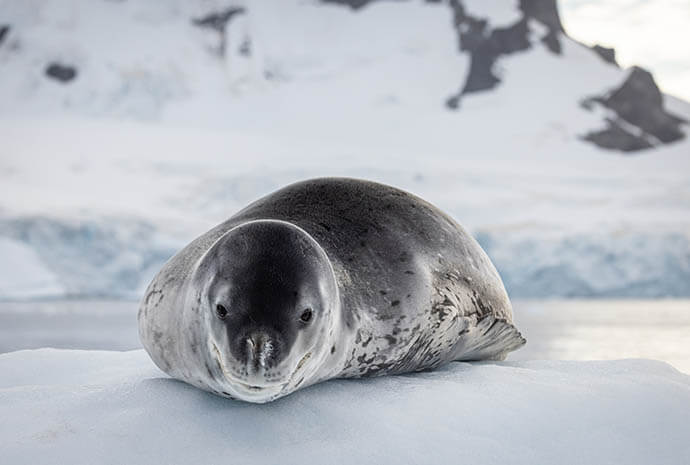

Antarctic Peninsula & South Georgia
December Only | 15 NightsLive out your Antarctica dream on this exceptional 16-day voyage aboard our luxury ice-class expedition ship. Your journey to this icy wilderness star...


Falklands & South Georgia Land & Cruise Combo
17th October 2026 | 25 NightsThis extraordinary 26-day journey combines an in-depth exploration of the Falkland Islands with an unforgettable expedition cruise to South Georgia, o...
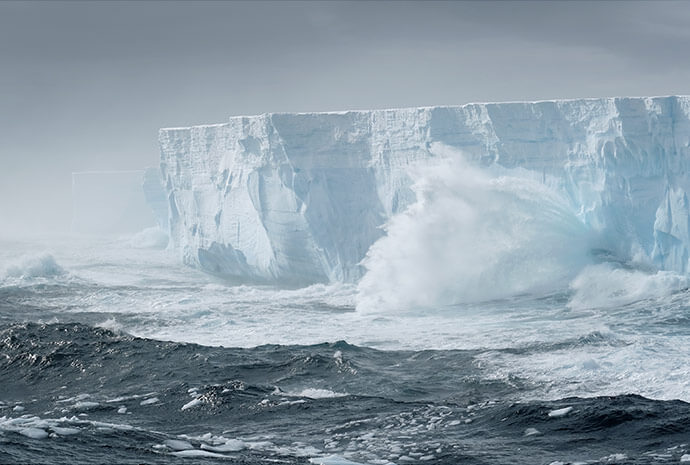

Luxury Ross Sea & Subantarctic Islands
January to February | 21 NightsPrepare for an extraordinary adventure as you set sail for the wildly remote and seldom-visited Ross Sea region aboard a luxury Polar expedition ship....

Timing
A cruise to Antarctica will always be during the Southern Summer months when there is maximum daylight. Winter trips are only for scientists and other personnel. Tourists, even if they wanted to go on a cruise to Antarctica at that time of year, are actively discouraged.
It is never hot in Antarctica but outside temperatures will be at their highest at the peak of the summer which in Antarctica is during December and January. This is not really a problem, though since all polar expedition cruise vessels provide adequate protective clothing and cold weather gear.
Travel at the start and end of the season may involve some restrictions on landings due to pack ice which make it difficult for expedition cruise vessels to access certain areas or to get close enough inshore.
However, the summer month (December and January) often show Antarctica at it's most spectacular and a distinct advantage of the shorter days is the chance that you might witness the spectacular display of the Aurora Australis, an experience which would be a true Antarctic holiday highlight.
Bird watching and other wildlife viewing are also different at various times of the season. Penguins and seabirds mate and nest at certain times in Antarctica and the experience of a hatchery is not to be missed.


Choice of ship
Your choice of cruise ship or expedition vessel determines the type of Antarctic holiday you will experience. The choice ranges from specially constructed expedition vessels with ice-strengthened hulls to luxury cruise liners with fine dining and nightly entertainment.
The expedition vessels carry only a few passengers and accommodation is often in shared cabins without private facilities. Food is simple and wholesome and entertainment, such as it is, is homespun. On these ships, you really get to know your fellow travellers and most form long-lasting friendships. As a result many deliberately choose an Antarctic expedition vessel over an luxury cruise liner, ensuring the intimacy and camaraderie of the expedition experience
Learn MoreThe Ultimate Antarctica Cruise Experience
This is the ultimate Antarctica holiday experience with maximum access to the ice, close contact with wildlife, sleepovers on the ice and trekking into the wilderness. Kayaking an even diving in the icy Antarctic waters are also possible.
At the other end of the scale of our holidays in Antarctica are cruise liners carrying over 1000 passengers which sail around the Antarctic peninsula taking in superb scenery, whale watching an other wildlife viewing, but as these vessels are large and equipped differently, no landings.
For a combination of comfort, landings and other activities, choose a substantial vessel such as Minerva or even the luxurious Prince Albert, which is the latest five star addition to Silversea’s fleet, carrying no more than 158 passengers.
Whatever you choose, research it carefully before you decide. Choosing a cruise ship or expedition vessel is an extremely personal and subjective decision and one which will dramatically affect the way in which you see Antarctica. Why not chat to on of our Polar travel experts, who'll be happy to talk you through the pros an cons of each ship and hep you decide which one suits you best.
View Trips

Sign up for our free newsletter
Please enter your email address using the fields below to receive all of the latest news and offers!