At Wildfoot Travel, three decades of guiding travellers to the world’s great wilderness destinations has taught us that seeing a polar bear safely, ethically, and in a setting that does the animal justice, comes down to one decision made long before you board a plane: where, and how, you choose to look for it.
There is no single ‘best’ place to see a polar bear. The Arctic is enormous, the bears are scattered unevenly across roughly four million square kilometres of sea ice and coastline, and the destination that delivers a near-guaranteed sighting from a heated vehicle is a completely different trip to the one that delivers a hard-won, ship-deck glimpse across drifting pack ice. Both are extraordinary. They are not the same holiday.
Our specialists have stood in the Tundra Buggies of Churchill and sailed the fjords of Svalbard and the channels of the Northwest Passage. Here is our honest, unfiltered guide to the world’s genuine polar bear hotspots — and how to choose between them.
Why Method Matters: Guaranteed Sightings vs. The Thrill of the Hunt
Across the circumpolar Arctic there are an estimated 22,000 to 31,000 polar bears, split by the IUCN Polar Bear Specialist Group into 19 separately managed subpopulations.
But bears are not spread evenly across that range, and only one destination on earth offers anything close to a predictable, season-long sighting record: Churchill, Manitoba.
Everywhere else — Svalbard, and the Canadian Arctic Archipelago’s Nunavut and Northwest Passage region, Greenland — you are looking for bears on the bears’ terms, with a real chance of coming home with only a handful of sightings, or none at all.
This is the single most important expectation-setting conversation we have with clients, and it shapes everything else about the trip.
- NEAR-GUARANTEED SIGHTINGS
- Churchill, Manitoba
- Bears gather predictably in a known seasonal window
- HIGH-PROBABILITY, NOT GUARANTEED
- Svalbard · Nunavut & the Northwest Passage · Greenland
- Sightings depend on ice conditions, timing, luck, and the skill of the expedition team
1. Churchill, Manitoba: The Sure Thing
Nicknamed the ‘Polar Bear Capital of the World,’ this small Hudson Bay town sits directly in the path of the Western Hudson Bay subpopulation.
Every autumn, as strong anti-clockwise winds push sea ice to form first along Churchill’s stretch of coastline, hundreds of bears gather on the shore to wait for the bay to freeze so they can return to hunting seals.
Sightings in the peak window are so reliable that specialist groups routinely log 40 or more individual bears across a two-day visit.
Our Churchill Polar Bear Adventure is built entirely around this peak gathering.
2. Svalbard, the Northwest Passage & Greenland: Wilder, Not Guaranteed
Svalbard, Norway
This High Arctic archipelago, roughly halfway between mainland Norway and the North Pole, is home to the Barents Sea subpopulation of around 2,500 to 3,000 bears, which live here year-round rather than migrating seasonally.
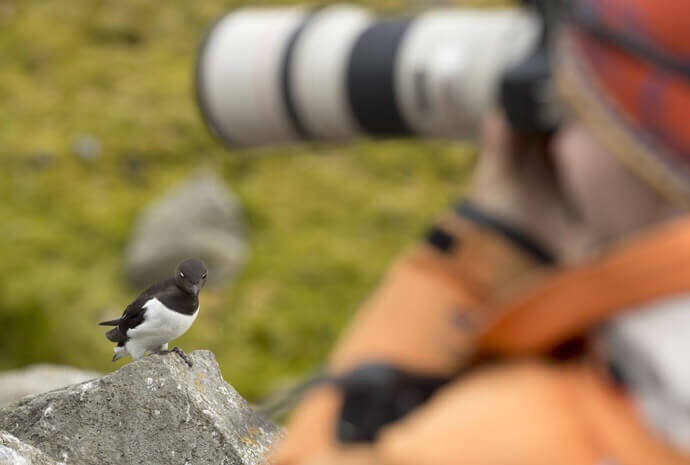
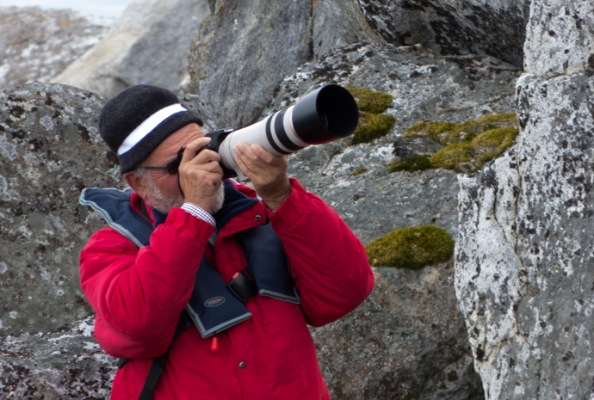
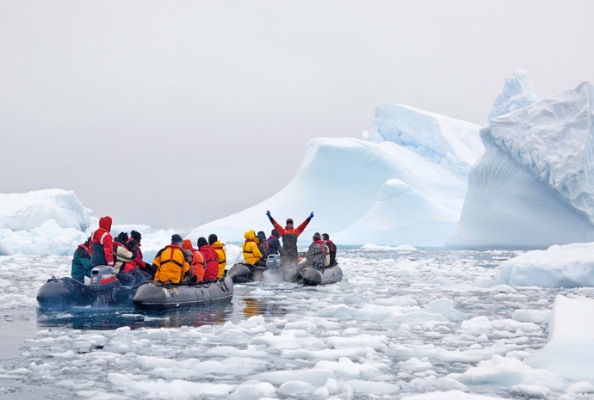
The best viewing runs from May to August, scanning the retreating pack ice from the deck or a Zodiac. Regulations introduced in 2025 set minimum polar bear viewing distances of 500 metres from March to June and 300 metres from July onwards, within Svalbard’s territorial waters, so a long telephoto lens and a pair of binoculars are essential. Further out in the pack ice, where much of the best viewing happens, these limits don’t apply.
Nunavut & the Northwest Passage, Canada
Canada’s high Arctic territory offers a genuinely wild alternative, and the richest wildlife is concentrated around Tallurutiup Imanga — known in English as Lancaster Sound — the wide marine gateway at the eastern entrance to the Northwest Passage.
Protected as one of Canada’s largest National Marine Conservation Areas, it functions as a genuine wildlife migratory highway: an estimated 6,500 narwhal, beluga, and bowhead whales pass through each year, and the retreating ice edge along its margins is prime polar bear hunting ground.
Access is by expedition ship only, and only once the passage has cleared of winter ice — in practice, that means late August into September, sailing past Baffin Island and Devon Island and through the historic waterways of the Northwest Passage itself. Sightings here are real but unpredictable — this is a destination for travellers who value wilderness authenticity over statistical odds.
Greenland
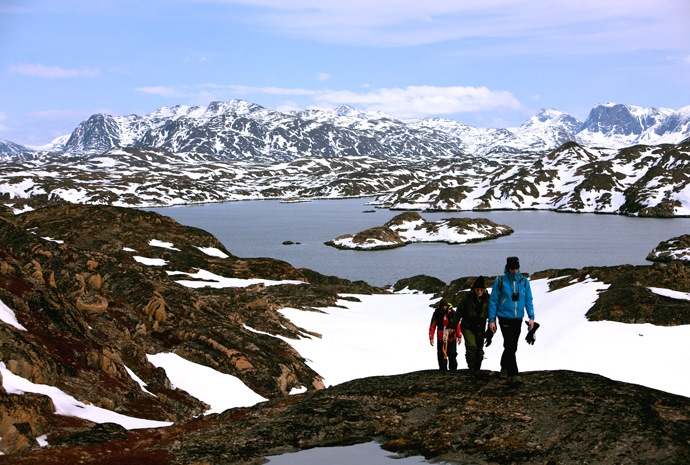
Greenland holds a healthy population, but its bears live largely in the remote north and northeast, far from any port. Our Northeast Greenland expedition cruises along the coast do occasionally encounter them, but for a trip built specifically around polar bears, Greenland is best treated as a bonus destination rather than the main event.
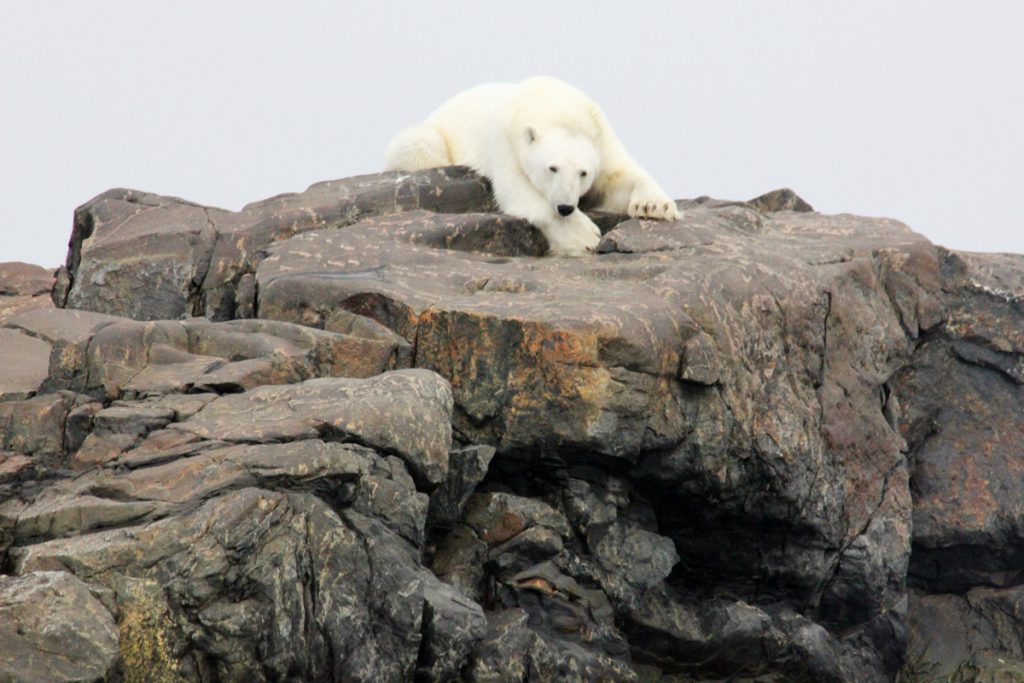
De-Coding the Destinations
Understanding a little of the science behind the sightings helps set honest expectations — and explains why some destinations are far more predictable than others.
The Numbers Behind the Bears
The IUCN lists the polar bear as Vulnerable, citing sea ice loss from climate change as the single greatest threat to the species. Of the 19 recognised subpopulations, roughly four are known to be declining, four are considered stable, two appear to be increasing, and the remaining nine are too data-poor for a confident trend assessment.
The Western Hudson Bay subpopulation — the group that gathers each autumn around Churchill, and the most intensively studied bear population on the planet, has fallen by close to 50% since long-term monitoring began in the late 1970s, driven by a shorter ice season and the physical stress it places on bears during the long ice-free summer.
It remains, paradoxically, one of the best places on earth to see one: fewer bears, but a highly predictable gathering point.
When to Go: A Destination-by-Destination Snapshot
- Churchill, Manitoba: Peak gathering mid-October to late November; a smaller, quieter mother-and-cub season in February–March around Wapusk National Park.
- Svalbard: May to August, under 24-hour midnight sun.
- Nunavut / Northwest Passage: Late August to September, ship-based only, timed to the seasonal retreat of the ice through Lancaster Sound.
- Greenland: July to September, as part of a broader coastal expedition cruise.
Choosing Your Encounter: Buggy or Ship
Beyond location, how you view the bears shapes the experience just as much as where you go. Broadly, there are two viewing platforms — and each suits a different kind of traveller.
The Tundra Buggy Experience
Purpose-built, bear-proofed vehicles with elevated, tank-like chassis carry small groups across the Churchill Wildlife Management Area, bringing you within close, safe range of bears on the open tundra.
It feels closer to a safari than an expedition: less physically demanding, highly photogenic, and well suited to travellers who want maximum sightings with minimum exertion. Some operators now run remote lodges-on-wheels, allowing multi-day stays right in the heart of bear territory.
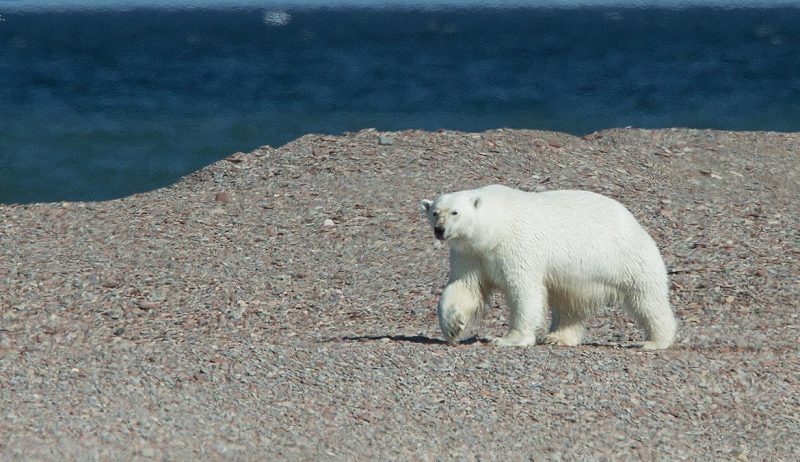
Nothing quite prepares you for the light out there, the sun low on the horizon for hours, turning the tundra amber and pink. My advice: get yourself out onto the open-air viewing deck at the back rather than staying seated inside, you’ll hear the tundra as much as see it, and you’re ready the moment something moves. Then someone spots a shape in the distance, just a silhouette at first, and the whole buggy goes quiet, watching it slowly resolve into a polar bear ambling past your window. It’s a moment guests talk about for years. And it’s not just the bears. Churchill itself is a town genuinely built around living alongside the world’s largest land predator, right down to the unlocked cars in case someone needs to escape one on the street. Spending time there gives you a real sense of sharing this landscape, not just visiting it. – Sheena Ogley
The Small-Ship Expedition
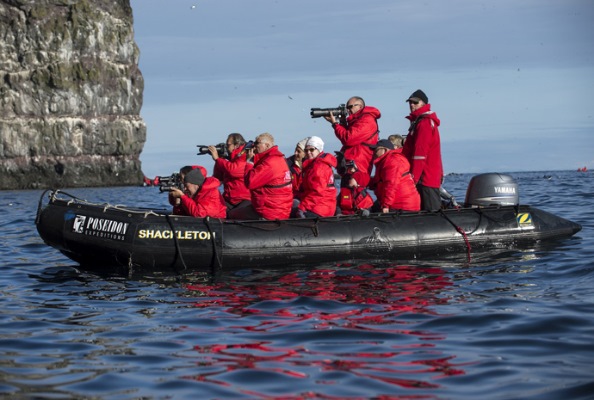
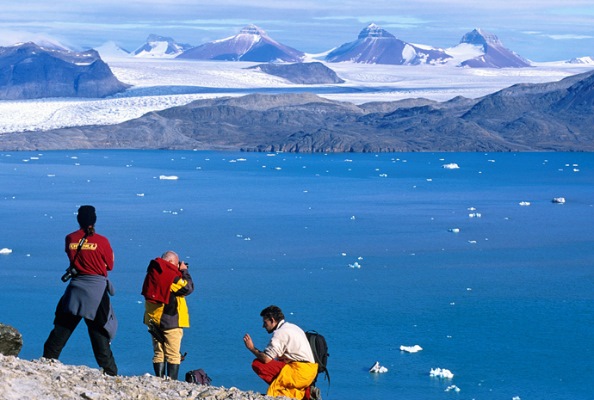
In Svalbard, the Northwest Passage, and Greenland, bears are viewed from the deck of an ice-class expedition ship or from a Zodiac, scanning drifting pack ice and remote coastlines.
This is a wilder, more patient style of wildlife watching — sightings can arrive after hours of scanning, at genuine distance, and always on the bear’s schedule. It suits travellers drawn to the broader Arctic ecosystem — walrus, seabirds, whales, dramatic glacial scenery — as much as the bears themselves.
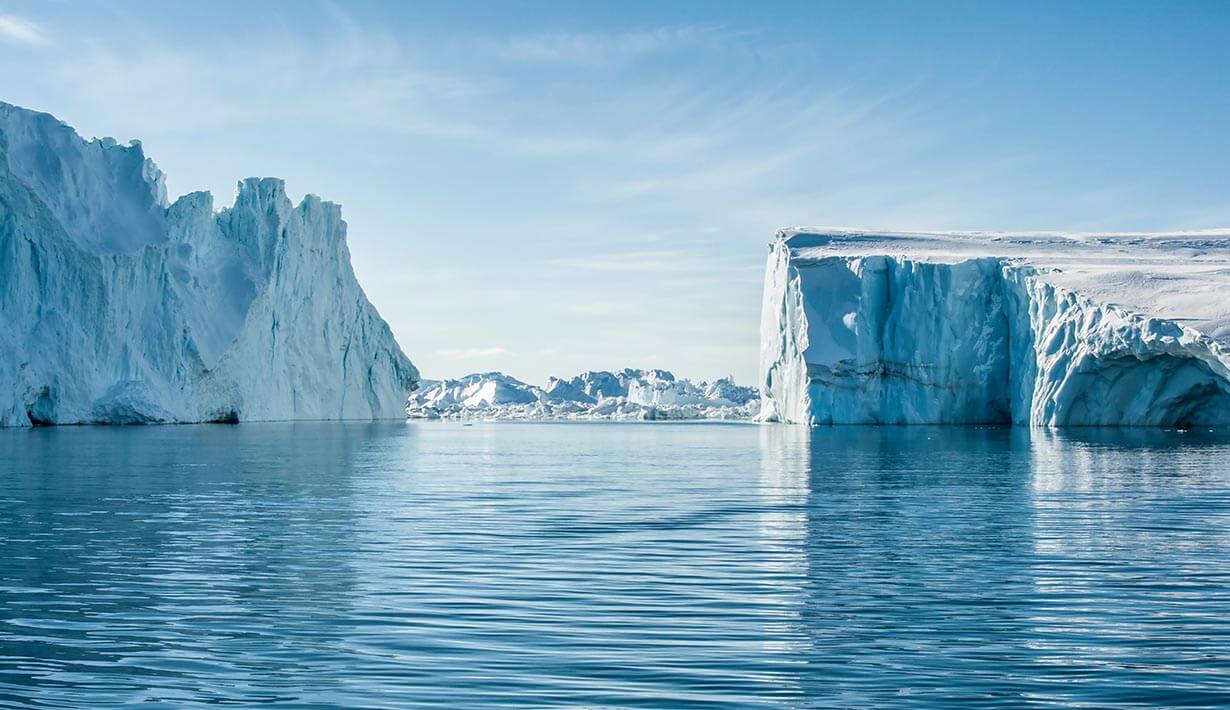
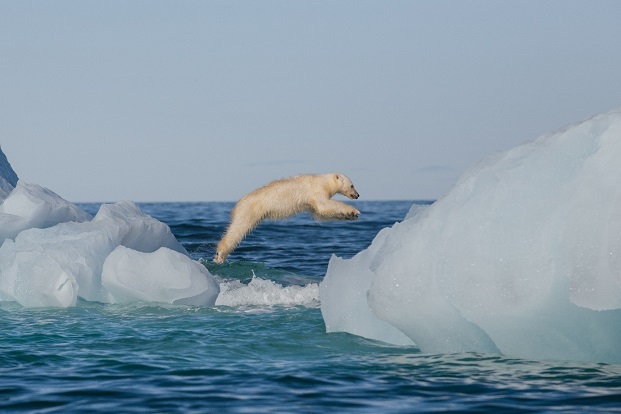
Working the ice edge hour after hour, scanning white on white for a shape that shouldn’t be there, is a rhythm all of its own. My advice is to stay out on the bridge yourself rather than wait for the announcement, because under the midnight sun the daylight stretches on for hours, so there’s no rush, only patience, and out here patience is always rewarded. Long before you spot anything, the sea ice itself pulls you in, carved into geometric sculptures against navy water. The captain eases the ship right up alongside the floes, almost like a giant rib boat, until you’re close enough to feel part of the ice rather than just passing through it. Then someone calls ‘bear!’ and the whole ship comes alive. Everyone finds their own spot on the bow, plenty of room to watch in your own time, as that distant smudge slowly sharpens into an actual polar bear picking its way across the floe. The ship becomes your basecamp for it all, a proper safari, just swapping the jeep for a boat to reach ice no vehicle could ever touch. – James Turner

The Master Checklist: Matching the Destination to Your Ambitions
Before you commit to a destination, run your choice through these four filters:
- Decide how you feel about risk: If you need to see bears — not just have a chance of seeing bears — Churchill is the only genuine guarantee. Everywhere else is a wilder bet with a different kind of reward.
- Consider your physical comfort: Tundra Buggies and expedition ships are accessible to most fitness levels, though a Northwest Passage voyage means several consecutive days at sea reaching the region.
- Match the season to your priority: Snow-dusted photography backdrops, mother-and-cub dens, or the drama of the autumn gathering each demand a different month — get the timing wrong and you get the wrong trip.
- Think beyond the bears: A Svalbard or Northwest Passage voyage bundles in walrus, whales, and seabird colonies; a dedicated Churchill trip is built almost entirely around one animal, done exceptionally well.
Talk to Us
The question of where to see polar bears rarely has a single right answer. It is a balance between how badly you need a guaranteed sighting, how much cold and physical effort you are prepared to embrace, and what kind of Arctic story you want to come home with.
We have stood in the buggies and sailed the ice edge of the operators we recommend. We know which seasons are best to visit, and the small details — a lens length, a boot choice, a departure date — that make the difference between a good trip and an extraordinary one.
Get in touch with the Wildfoot Travel team, or browse our full range of Arctic cruises, to find the right polar bear destination for you.